
Categories
Uncategorized

Emerging Trends in Online Casino Game Development: The Impact of Innovative Releases

Over the past decade, the online gambling industry has experienced exponential growth driven by technological advances, changing consumer preferences, and regulatory shifts. As digital platforms become increasingly sophisticated, understanding the direction of game development is crucial for stakeholders seeking to maintain competitive advantage and deliver engaging, responsible gaming experiences. This article delves into the evolving landscape of online casino games, emphasizing the strategic importance of innovative releases in shaping industry standards and player engagement.

The Evolution of Online Casino Games: From Simplicity to Immersive Experiences

Initially, online casino titles leveraged basic graphics and straightforward gameplay, akin to their land-based counterparts. However, as processing power, graphics technology, and user interface design evolved, developers began introducing complex features, multimedia integrations, and thematic storytelling. Today, players expect immersive environments, interactive mechanics, and seamless cross-platform experiences that transcend traditional boundaries.

Market analyst firm Statista reports that the online gambling market size reached over $66 billion globally in 2022, with projections exceeding $98 billion by 2026. Notably, a significant driver of this growth is innovative game development — particularly engaging, high-quality releases that attract new demographics and retain existing players.

The Significance of Innovation in Game Releases

In a saturated industry, innovation serves as both a differentiator and a requisite for survival. New game releases that incorporate cutting-edge technology, thematic richness, and player-centric features garner attention, foster loyalty, and extend lifetime value. For instance, augmented reality (AR) and virtual reality (VR) integrations are transforming user interactions, while gamification mechanics boost engagement levels through incentives and challenges.

“The industry’s trajectory indicates that players are no longer content with passive experiences. They seek immersive, personalized, and socially connected gaming environments. Consequently, developers are investing heavily in R&D to deliver such innovations,”

Case Study: The Role of Innovative Releases in Market Leadership

Leading software providers have long recognized that the most successful titles are those that push boundaries. Companies like Pragmatic Play, Playtech, and BGaming have pioneered features such as:

  • Dynamic bonus rounds and multipliers
  • Decentralized blockchain integrations for transparency
  • High-definition progressive jackpots
  • Thematic multi-layered storytelling
  • Player data-driven personalization

For example, the recent roll-out of BGaming’s innovations showcases their commitment to pushing creative and technological boundaries. As part of their ongoing efforts to redefine player experiences, BGaming consistently releases titles that combine engaging themes with innovative mechanics. This approach positions them as a leader in the competitive landscape, influencing industry standards.

One key milestone in this direction is their latest release, which embodies their strategic focus on innovation. For detailed insights, industry observers and analysts can refer to BGaming’s latest release, illustrating how these technological and creative advancements craft compelling, player-centric experiences that resonate globally.

Future Outlook: Innovation as a Core Strategic Pillar

Looking ahead, the trends suggest that digital casinos will increasingly leverage data analytics, artificial intelligence, and immersive technologies to craft hyper-personalized experiences. Responsible gaming innovations, such as advanced self-exclusion tools and real-time monitoring, will also become more prevalent, aligning profitability with player well-being.

Further, regulatory developments will necessitate transparency and fair play assurances, encouraging developers to adopt blockchain and provably fair algorithms. The continuous stream of innovative releases, like those exemplified by BGaming, underscores a broader industry commitment to evolving responsibly while captivating increasingly sophisticated audiences.

Conclusion: Innovation as the Catalyst for Industry Progress

In summation, the trajectory of online casino game development hinges critically on a culture of continual innovation. As demonstrated through leading industry examples, timely and thematic game releases—such as BGaming’s latest release—are instrumental in reinforcing a developer’s position as a market leader. They inspire industry-wide standards, enhance player satisfaction, and foster sustainable growth in the evolving digital gambling landscape.
Note: Staying ahead in this fast-changing environment requires not only adopting new technologies but also understanding evolving player preferences and regulatory frameworks. Only through relentless innovation can developers sustain relevance and deliver memorable, responsible gaming experiences.
Categories
Uncategorized

Benutzererfahrung und Interface-Design von Casinolo Casino: Eine Analyse

Das Casinolo Casino hat in den letzten Jahren viel Aufmerksamkeit auf sich gezogen, insbesondere aufgrund seiner Benutzeroberfläche und Benutzererfahrung. In dieser Analyse werden wir uns eingehend mit den wichtigsten Aspekten des Designs und der Benutzerfreundlichkeit befassen, während wir gleichzeitig die Sicherheit und Transparenz in Bezug auf die Lizenzierung und die Gewinnchancen berücksichtigen.

Benutzeroberfläche

Die Benutzeroberfläche von Casinolo Casino ist modern und intuitiv. Die Gestaltung zielt darauf ab, den Nutzern ein einfaches und ansprechendes Erlebnis zu bieten. Hier sind einige Schlüsselpunkte zur Benutzeroberfläche:

  • Navigation: Die Hauptnavigation ist klar strukturiert, mit Kategorien wie Spiele, Promotions und Unterstützung. Dies erleichtert es den Nutzern, schnell zu finden, wonach sie suchen.
  • Responsive Design: Die Website ist für mobile Endgeräte optimiert, was bedeutet, dass Sie sowohl auf dem PC als auch auf Smartphones eine gleichbleibend gute Erfahrung haben.
  • Visuelle Gestaltung: Die Farbpalette und die Grafiken sind ansprechend und tragen zur allgemeinen Benutzererfahrung bei. Die Ladezeiten sind schnell, was für eine positive Interaktion entscheidend ist.

Sicherheit und Lizenzierung

Ein zentraler Aspekt, den Sie bei der Nutzung von Online-Casinos beachten sollten, ist die Sicherheit. Casinolo Casino ist von der Gemeinsamen Glücksspielbehörde der Länder (GGL) lizenziert, was ein gewisses Maß an Vertrauen schafft. Dennoch sollten Sie sich folgender Punkte bewusst sein:

  • Lizenzierung: Die Lizenzierung durch die GGL bedeutet, dass das Casino strengen Richtlinien unterliegt, um faire Spielpraktiken und die Sicherheit der Spieler zu gewährleisten.
  • Datensicherheit: Casinolo verwendet moderne Verschlüsselungstechnologien, um die persönlichen und finanziellen Daten der Nutzer zu schützen. Dennoch sollten Sie immer vorsichtig sein, welche Informationen Sie teilen.
  • Verantwortungsvolles Spielen: Das Casino bietet Tools für verantwortungsvolles Spielen, jedoch liegt es in Ihrer Verantwortung, diese Optionen zu nutzen.

Gewinnchancen und Fairness

Ein weiterer kritischer Aspekt ist die Fairness der Spiele. Casinolo Casino bietet eine Vielzahl von Spielen mit unterschiedlichen Rückzahlungsquoten (RTP). Hier sind einige wichtige Punkte zu beachten:

Spieltyp Durchschnittlicher RTP Wettanforderungen
Slot-Spiele 93% – 97% 35x
Blackjack 99% 30x
Roulette 94% – 96% 40x

Die oben genannten RTP-Werte sind nicht nur Zahlen; sie zeigen Ihnen, wie viel Sie langfristig von Ihren Einsätzen zurückerwarten können. Beachten Sie jedoch die Wettanforderungen, die oft an Bonusangebote geknüpft sind. Diese können die tatsächliche Auszahlung erheblich beeinflussen und sind häufig ein Stolperstein für unerfahrene Spieler.

Fazit

Die Benutzererfahrung und das Interface-Design von Casinolo Casino sind durchweg positiv und bieten eine benutzerfreundliche Umgebung für Spieler. Dennoch sollten Sie sich der potenziellen Risiken bewusst sein, die mit Online-Glücksspiel verbunden sind. Achten Sie auf die Lizenzierung, nutzen Sie die Sicherheitsfunktionen und seien Sie sich der Gewinnchancen bewusst, um Ihre Spielerfahrung zu optimieren.

Für weiterführende Informationen über Casinolo Casino besuchen Sie bitte casinolo casino.

Categories
Uncategorized

How to Play Roulette at Online Casinos

Roulette is one of the most popular casino games, offering excitement and the chance to win big. If you’re new to online roulette, this step-by-step guide will help you navigate the process effectively. Follow these steps to get started and enhance your gaming experience at SpinTime Casino.

Step 1: Registration

To play roulette online, you first need to register at a reputable online casino. Here’s how:

  1. Visit the SpinTime Casino website.
  2. Click on the “Sign Up” button.
  3. Fill out the registration form with your personal details, including:
    • Name
    • Email Address
    • Phone Number
    • Date of Birth
  4. Accept the terms and conditions.
  5. Submit the registration form.
  6. Verify your email address through the confirmation link sent to your inbox.

Step 2: Claiming the Bonus

Many online casinos offer bonuses to new players. To claim your bonus, follow these steps:

  1. Log in to your SpinTime Casino account.
  2. Go to the promotions section.
  3. Check for welcome bonuses, typically offered as:
    • 100% match bonus up to £200
    • Free spins on selected games
  4. Follow the instructions to claim the bonus.
  5. Remember to check the wagering requirements, which are often around 35x the bonus amount.

Step 3: Deposit Funds

Before you can start playing, you’ll need to fund your account. Here’s how to make a deposit:

  1. Log into your account.
  2. Navigate to the cashier section.
  3. Select your preferred payment method, which may include:
    • Credit/Debit Cards
    • e-Wallets (e.g., PayPal, Skrill)
    • Bank Transfers
  4. Enter the deposit amount (minimum usually £10).
  5. Complete the transaction and wait for the funds to appear in your account.

Step 4: Choose a Roulette Game

Online casinos offer various types of roulette games. Here’s how to choose:

  1. Go to the roulette section of the casino games.
  2. Familiarize yourself with the different types of roulette available, such as:
    • European Roulette
    • American Roulette
    • French Roulette
  3. Consider the following factors:
    • RTP (Return to Player): European Roulette typically has an RTP of 97.3% compared to American Roulette’s 94.74%.
    • House Edge: European Roulette has a lower house edge of 2.7% versus American Roulette’s 5.26%.

Step 5: Place Your Bets

Once you’ve chosen a game, it’s time to place your bets:

  1. Understand the betting layout, which includes:
    • Inside Bets (e.g., Single Number, Split)
    • Outside Bets (e.g., Red/Black, Odd/Even)
  2. Decide how much to bet (minimum bets usually start at £1).
  3. Click on the chips to place your bet on the table.
  4. Once you’re ready, hit the “Spin” button to start the game.

Step 6: How to Withdraw Your Winnings

If you’ve had a successful gaming session and want to withdraw your winnings, here’s how:

  1. Log into your SpinTime Casino account.
  2. Go to the cashier section.
  3. Select “Withdraw”.
  4. Choose your preferred withdrawal method.
  5. Enter the amount you want to withdraw (note any limits, typically a minimum of £20).
  6. Confirm the transaction.

Step 7: Understand the Game Mechanics

To enhance your roulette experience, it’s essential to understand the game mechanics:

  • Know the odds for different bets.
  • Practice managing your bankroll effectively.
  • Familiarize yourself with strategies, such as:
    • The Martingale Strategy
    • The Fibonacci Strategy

Roulette Game Comparison Table

Type of Roulette RTP House Edge
European Roulette 97.3% 2.7%
American Roulette 94.74% 5.26%
French Roulette 97.3% 2.7%

By following these steps, you can effectively enjoy playing roulette at online casinos. Remember to play responsibly and have fun!

Categories
Uncategorized

Why dApp Integration, Portfolio Tracking, and Security Make Rabby Wallet a DeFi Power Move

Whoa!

Okay, so check this out—I’ve been fiddling with wallets for years and something kept bugging me about the flow between dApps and wallets. My instinct said the UX was the weak link, and my gut was right more often than not. At first glance wallets felt like simple key stores, but that was too naive; they are the gatekeepers for real financial UX, and they shape behavior in subtle ways that matter a lot when you’re moving real value.

Really?

Yep. Let me explain in plain terms first, then nerd out a bit. Many wallets still treat dApp integration as an afterthought, which is a recipe for confusion and mistakes. Here’s the thing: users need transaction simulation, clearer approvals, and portfolio context—together not separately.

Hmm…

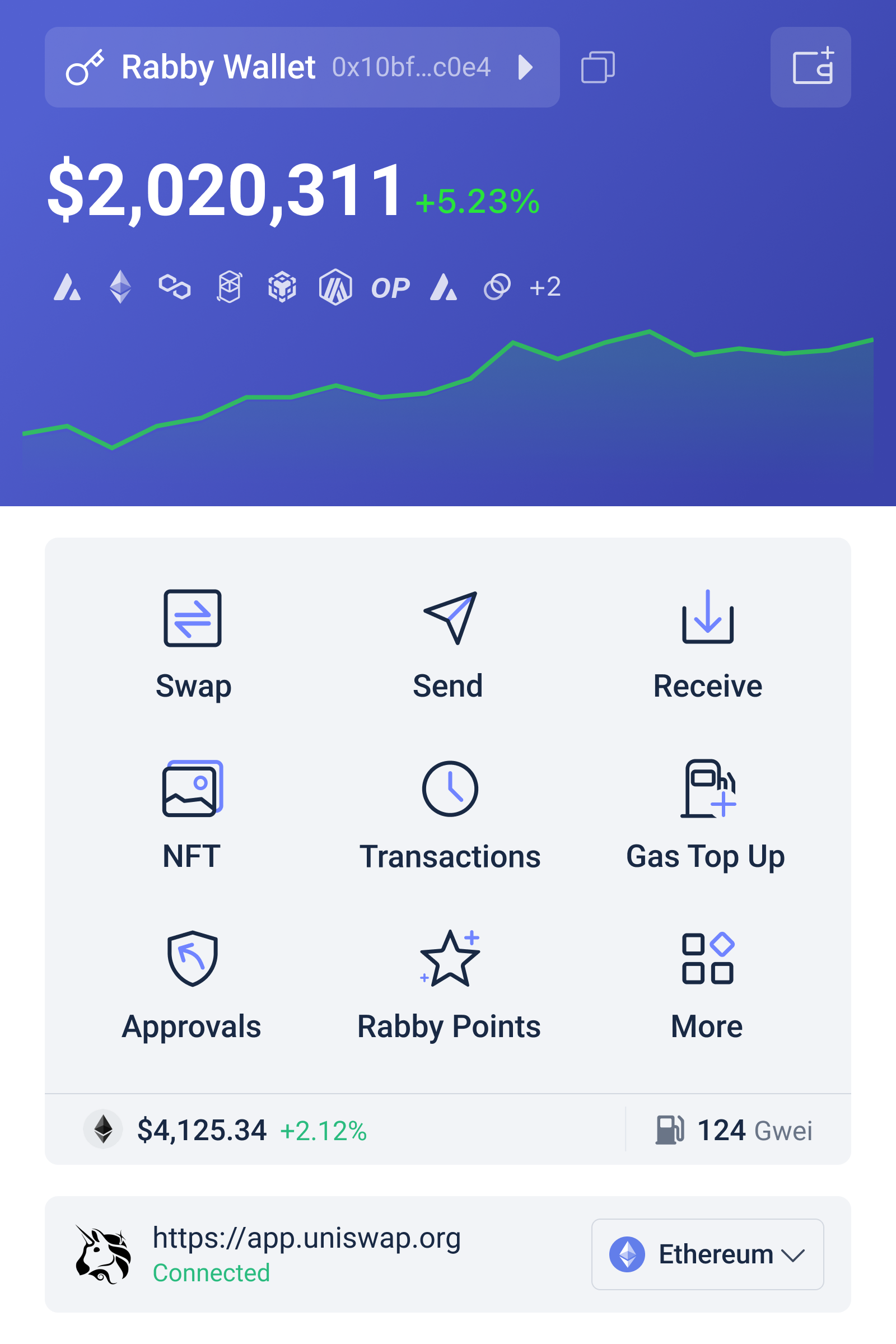
I’ve got a bias here. I’m biased toward tools that reduce cognitive load and prevent bad transactions. On that note, I want to highlight how a wallet like rabby wallet approaches these problems in a concrete way that matters to DeFi users who actually trade, stake, and bridge assets.

Screenshot showing a transaction being simulated inside a Web3 wallet, with estimated gas and token changes.

A quick story about a nearly costly mistake

One afternoon I nearly approved a contract that would have swapped half my holdings. Really, it was that close.

I clicked fast. I was tired. My first impression was: “This looks fine.”

Initially I thought the dApp UI was at fault, but then realized the wallet’s approval screen had buried the allowance settings and lacked a simulation of the post-trade balances, which is what should have raised a red flag. Actually, wait—let me rephrase that: the fault was shared between a poor dApp prompt and a wallet that didn’t make the consequences obvious.

On one hand the dApp could flip its UX, though actually the wallet’s job is to stop bad outcomes when dApps get sloppy or malicious.

Why transaction simulation matters

Short version: simulations save money. Seriously?

Simulating a transaction before signing shows you expected token flows, slippage consequences, and downstream calls like approvals or swaps that a contract will execute. Medium-level users can usually eyeball gas and slippage, but simulations let everyone—from novices to power traders—see the likely result, and that reduces panic during volatile markets.

My thinking evolved over time: at first I thought simulations were just neat-to-have, but after watching people lose funds to reentrancy-like flows, I now treat simulations as essential risk controls. On top of that, simulations let wallets warn users about suspicious multisig calls, unusual re-entrance, and unexpected token approvals, which are common pitfalls in DeFi.

dApp integration done the right way

Okay—here’s what good integration looks like.

First, dApp sessions should respect user intent without breaking composability. Second, wallets should surface contextual data like portfolio impact and historical behavior signals. Third, permissions must be granular and reversible, not broad forever approvals that you forget about six months later.

Rabby and similar next-gen wallets embrace transaction previews and portfolio overlays so users can answer a simple question before they sign: “How will this change my net position?” That’s the metric that actually matters when you’re rebalancing or moving funds to a yield farm.

Portfolio tracking that actually helps

Portfolio tracking is more than charts. Hmm.

Good tracking surfaces unrealized P&L, cross-chain exposures, and token-level risk, and it should integrate with your transaction history so you can correlate decisions with outcomes. Many wallets give you a glitzy graph, but they fail to show what caused the spikes or which contracts drove the gas bills. That omission is maddening.

I’m not 100% sure every user needs this depth, but traders and active DeFi users absolutely benefit. If you can see that one LP position was draining fees or that a bridge arbitrage exposed you to dust sums, you make better choices next time—simple as that.

Security: practical, not paranoid

Here’s what bugs me about a lot of “secure” wallets: they make security inconvenient for normal use. And then users do insecure workarounds. Ugh.

Security should be layered and unobtrusive. Think fine-grained approvals, transaction simulation (again), and easy revocation tools. It should also surface behavioral anomalies—like a contract trying to drain tokens right after an approval—without yelling every time you check a balance.

On the technical side, hardware signing integration, clear nonce and gas visibility, and notifications for approvals older than a threshold are pragmatic measures that reduce risk without turning the wallet into a fortress you avoid using. Balance the friction and the protection. My instinct says friction kills adoption; observation confirms it.

How Rabby Wallet fits into this picture

Short: it brings a lot of these features together.

Rabby emphasizes transaction simulation and clearer approvals, which is why I keep it in rotation for active DeFi sessions. It also gives portfolio context during the signing flow, so the decision isn’t made in a vacuum. That reduces mistakes, and yes—reduces stress when markets move fast.

I’m not saying it’s perfect. I’m critical of some UX choices there too. But overall it feels like the team built for people who actually use DeFi, not for brand marketing screenshots. (Oh, and by the way… the community plugins are handy for power users.)

Practical tips for users

Small habits make big differences. Wow!

Always review the simulated token changes before approving. Revoke allowances you no longer need. Use portfolio overlays to cross-check your positions, and integrate a wallet with hardware keys if you manage large sums. Be suspicious of one-click approvals that don’t show you the chain of calls.

Also, keep one wallet for day-to-day interactions and another for long-term holdings. It splits risk and makes your life simpler when a contract misbehaves—or when you make a dumb, sleepy click like I almost did.

FAQ

What is transaction simulation and why should I care?

Transaction simulation is a pre-signature dry run that forecasts token flows, gas, and side effects so you can see the likely outcome. It helps you avoid bad swaps, approval traps, and surprise multi-call drains.

Can portfolio tracking prevent losses?

Not directly, no. But it surfaces exposures and historical causes, which helps you make better decisions and spot risky positions earlier—so yes, it reduces the chance of compounding mistakes.

Categories
Uncategorized

Come risolvere errori comuni in Aviator Spribe e migliorare l’esperienza di gioco

Il gioco Aviator Spribe è diventato uno dei preferiti tra gli appassionati di gaming online grazie alla sua semplicità e alle possibilità di vincita rapide. Tuttavia, come ogni piattaforma digitale, anche questa può presentare errori tecnici che compromettono l’esperienza di gioco. In questa guida, analizzeremo le soluzioni pratiche per risolvere i problemi più comuni e fornire strategie per ottimizzare le prestazioni, garantendo un’esperienza di gioco più stabile e sicura.

Indice

Identificare i problemi tecnici più comuni durante il gioco

Errori di connessione e interruzioni di rete

Gli errori di connessione sono tra le cause più frequenti di interruzioni durante il gioco in Aviator Spribe. Questi problemi possono manifestarsi come disconnessioni improvvise, messaggi di timeout o schermate di “Connessione persa”. Spesso sono legati a connessioni Internet instabili, congestione di rete o configurazioni Wi-Fi non ottimali.

Per esempio, un giocatore che utilizza una rete Wi-Fi condivisa potrebbe sperimentare interruzioni frequenti durante le sessioni di gioco, specialmente nelle ore di punta. È importante diagnosticare se il problema risiede nel provider di internet o nel dispositivo stesso.

Messaggi di errore del software e crash dell’app

I crash dell’app o messaggi di errore come “Errore di caricamento” o “Problema di compatibilità” sono spesso causati da software obsoleti, conflitti tra applicazioni o bug nella versione del client di gioco.

Ad esempio, un utente che utilizza una vecchia versione del browser o dell’app mobile potrebbe sperimentare crash frequenti. La mancata installazione degli ultimi aggiornamenti può anche provocare vulnerabilità o incompatibilità con il sistema operativo.

Disallineamenti tra piattaforma e dispositivo

In alcuni casi, può verificarsi un disallineamento tra le impostazioni della piattaforma di gioco e quelle del dispositivo. Questo problema si manifesta con problemi di visualizzazione, testo sovrapposto o funzionalità limitate su smartphone rispetto al PC.

Per esempio, l’utilizzo di un browser non ottimizzato o di risoluzioni di schermo non standard può portare a un’esperienza di gioco frustrante.

Metodi efficaci per ottimizzare l’esperienza di gioco su diversi dispositivi

Configurazioni consigliate per PC e smartphone

Per PC, si raccomanda di utilizzare dispositivi con almeno:

  • Processore Intel i5 o superiore
  • Minimo 8 GB di RAM
  • Sistema operativo aggiornato (Windows 10 o superiore)
  • Browser aggiornato come Chrome, Firefox o Edge

Per smartphone, i requisiti fondamentali sono:

  • Sistema Android 8.0 o iOS 12 e successivi
  • Connessione stabile Wi-Fi o dati mobili 4G/5G
  • Versioni aggiornate delle app di gioco

Implementare queste configurazioni aiuta a ridurre i problemi di rallentamento e crash.

Impostazioni di rete per ridurre i tempi di latenza

Una rete stabile e con bassa latenza è cruciale per un’esperienza fluida. Si consiglia di:

  • Utilizzare una connessione cablata Ethernet per PC, anziché Wi-Fi
  • Chiudere tutte le applicazioni o dispositivi che utilizzano banda larga durante il gioco
  • Modificare le impostazioni del router per favorire porte specifiche o attivare QoS (Quality of Service)

Questi interventi minimizzano i ritardi e le disconnessioni, migliorando significativamente la qualità del gioco.

Utilizzo di browser e app aggiornati per migliorare le prestazioni

Per massimizzare le prestazioni, è fondamentale mantenere aggiornati:

  • Il browser web, preferibilmente Chrome o Firefox, con le ultime versioni
  • L’app mobile, verificando regolarmente la disponibilità di aggiornamenti

Le versioni obsolete possono contenere bug che compromettono il funzionamento e la sicurezza.

Strategie pratiche per prevenire errori prima che si presentino

Verifica regolare degli aggiornamenti software e firmware

Un passo fondamentale è controllare frequentemente gli aggiornamenti di sistema e firmware dei dispositivi. Gli sviluppatori rilasciano patch per correggere bug e migliorare la compatibilità. Ad esempio, aggiornare il firmware del router può risolvere problemi di perdita di pacchetti e garantire una connessione più stabile.

Implementazione di backup delle impostazioni di gioco

Salvare le configurazioni preferite e le impostazioni di rete può velocizzare la risoluzione di eventuali problemi. Molte piattaforme permettono di esportare le impostazioni, che possono essere ripristinate facilmente in caso di reset o reinstallazione.

Consigli per una connessione stabile e sicura

  • Preferire connessioni Wi-Fi protette con password complessa
  • Utilizzare reti dedicate o VPN sicure per ridurre il rischio di interferenze esterne
  • Verificare che altri dispositivi sulla stessa rete non consumino banda in modo eccessivo durante le sessioni di gioco

Queste pratiche aumentano la sicurezza e la stabilità della connessione, migliorando le performance.

Personalizzare le impostazioni di gioco per minimizzare i problemi

Configurare le preferenze di rete e audio

In molte piattaforme di Aviator Spribe, è possibile regolare le impostazioni di rete e audio. Per esempio, disattivare opzioni come la qualità video elevata può ridurre il carico sulla CPU e sulla banda, prevenendo lag o blocchi.

Analogamente, silenziare notifiche non essenziali o ottimizzare l’audio può contribuire a un ambiente di gioco più stabile e concentrato.

Adattare le impostazioni di visualizzazione alle proprie esigenze

La risoluzione dello schermo e la modalità di visualizzazione influiscono sulla fluidità del gioco. È consigliabile utilizzare risoluzioni più basse o modalità di visualizzazione che eliminino effetti grafici superflui, specie su dispositivi meno potenti.

Ad esempio, su uno smartphone, l’uso di modalità di risparmio energetico può aiutare a mantenere le prestazioni.

Ottimizzare le opzioni di privacy e sicurezza

Assicurarsi che le impostazioni di privacy non limitino le funzionalità di rete o di aggiornamento. Utilizzare antivirus aggiornati e firewall attivi per proteggere il dispositivo da malware che potrebbe influire sulle prestazioni di gioco.

Ricorda: un ambiente digitale sicuro contribuisce anche a una sessione di gioco più fluida e senza interruzioni.

Seguendo questi suggerimenti, i giocatori di Aviator Spribe possono ridurre drasticamente errori e interruzioni di gioco, migliorando l’efficacia delle proprie sessioni e aumentando le possibilità di vincita in modo stabile e sicuro. Per saperne di più sulle strategie e i dettagli di gioco, puoi visitare https://tonyspins-casino.it/.